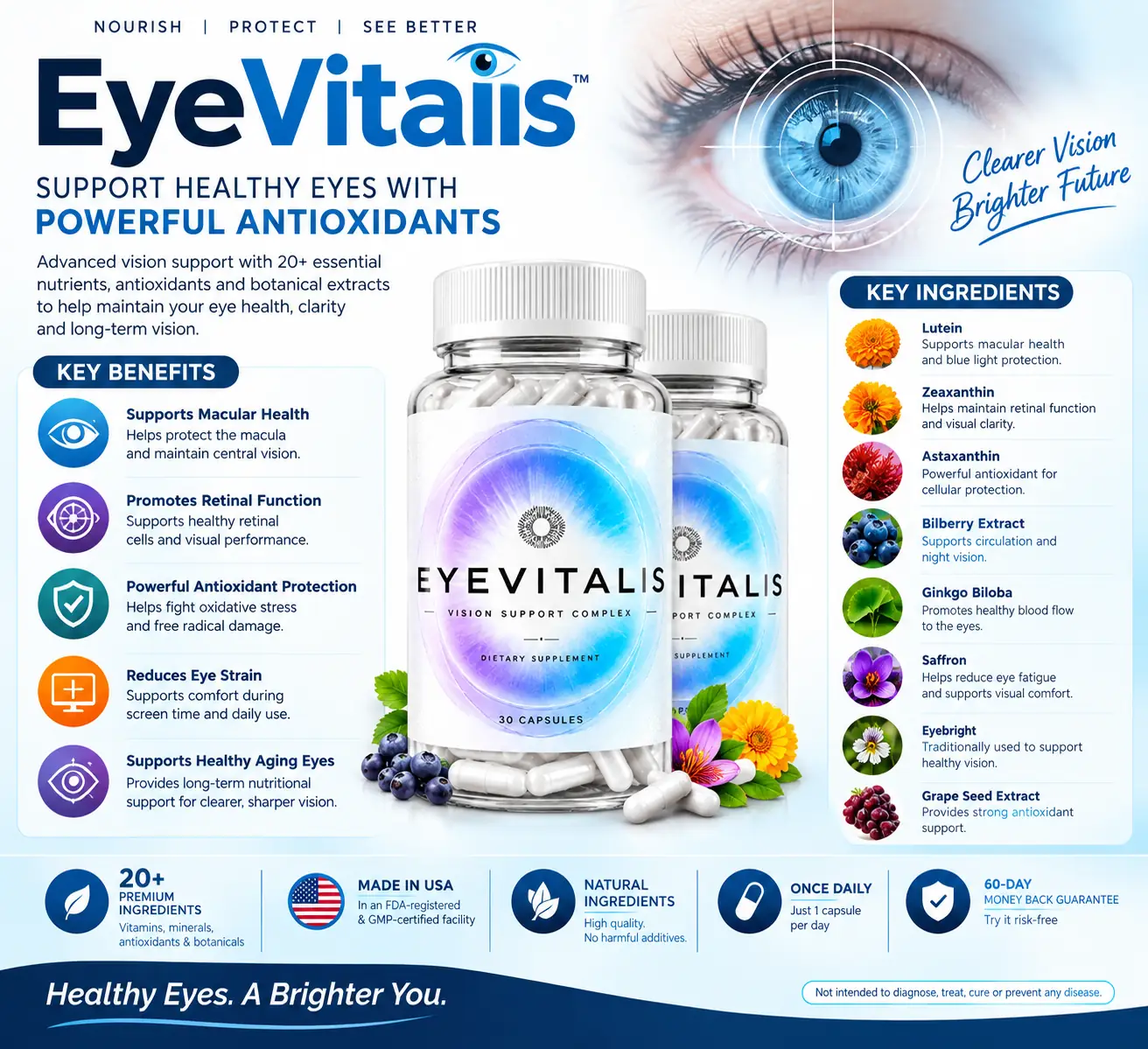
Ginkgo is the second of the two circulation-focused botanicals in EyeVitalis, alongside bilberry. It's also the one ingredient in the formula that carries a genuine interaction warning — so that section comes first here rather than last.
At a Glance
- Ingredient type
- Circulation Support
- Also in this group
- Bilberry Extract
- Primary role
- Healthy circulation to the eyes
- Source
- Leaves of the ginkgo tree (Ginkgo biloba)
- Known interactions
- May interact with blood-thinning medication — see below
Who Should Be Cautious
Ginkgo biloba may interact with blood-thinning medication. If you take blood thinners, consult a healthcare professional before starting EyeVitalis. The same applies if you are pregnant, nursing, managing a diagnosed medical condition, or scheduled for surgery.
EyeVitalis is not intended for anyone under 18. Always review the current product label before purchase, and do not exceed the recommended dose of one capsule daily.
This is the main reason EyeVitalis discloses its full ingredient list rather than hiding it inside a proprietary blend: an interaction-relevant ingredient is only useful information if you can actually see it on the label before you buy.
What It Is
Ginkgo biloba is an extract taken from the leaves of the ginkgo tree, one of the oldest surviving tree species. In supplement form it's most commonly discussed for circulation — supporting healthy blood flow, including to the eyes — and it's traditionally associated with helping protect against age-related decline.
Where It Comes From
The extract is produced from ginkgo leaves rather than the seeds or fruit, and is typically standardized to a consistent concentration of its active compounds. That standardization is part of why disclosed dosages matter: two labels can name the same ingredient and still deliver meaningfully different amounts per capsule.
Role in EyeVitalis
Ginkgo's job in the formula is circulatory. Alongside bilberry, it supports healthy blood flow to the eyes as part of a broader wellness routine — a different pathway from the macular pigment role that lutein and zeaxanthin cover.
Traditional Use & Research
Ginkgo has one of the longer traditional-use histories of any botanical in this category and has been individually studied to varying degrees. As always: ingredient-level research is different from research on the complete finished EyeVitalis formulation, and should not be read as proof that this product produces a specific result.
Read the Independent Sources
- Ginkgo: Usefulness and Safety — NIH National Center for Complementary and Integrative Health
- Dietary Supplements — U.S. Food & Drug Administration
The NCCIH page covers the bleeding-risk interaction in more detail than we can here, including its relevance to anticoagulant medication. If you take blood thinners, read it before you read the rest of this site.
How It Works With the Others
Ginkgo pairs with bilberry on circulation, while lutein and zeaxanthin anchor the macular role, grape seed extract covers antioxidant protection, and saffron and eyebright handle comfort and visual function.
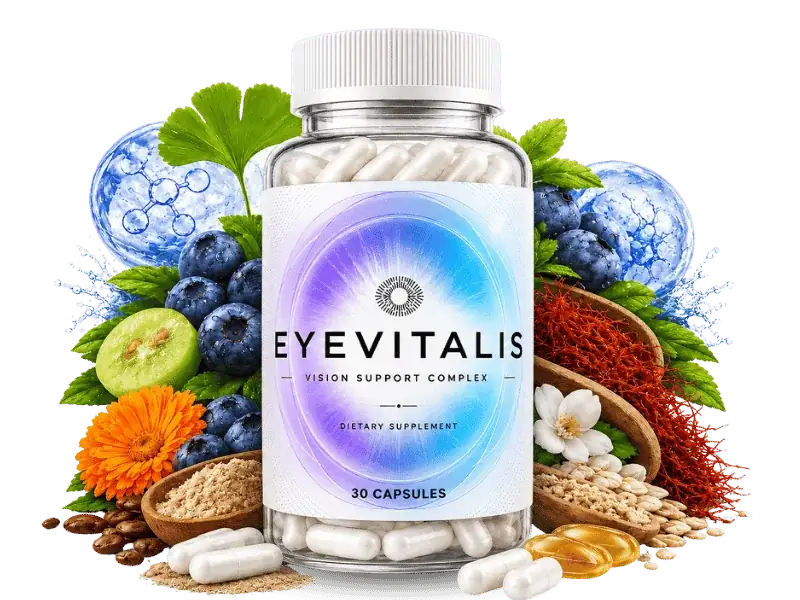
A Label You Can Check First
Six disclosed ingredients — review them with your doctor before you start. Backed by a 60-day money-back guarantee.
Get EyeVitalis Now