Vision support supplements vary widely in quality and honesty. If you're comparing options, here's what's worth checking before you buy — and a few questions worth bringing to your eye doctor.
Check for Ingredient Transparency
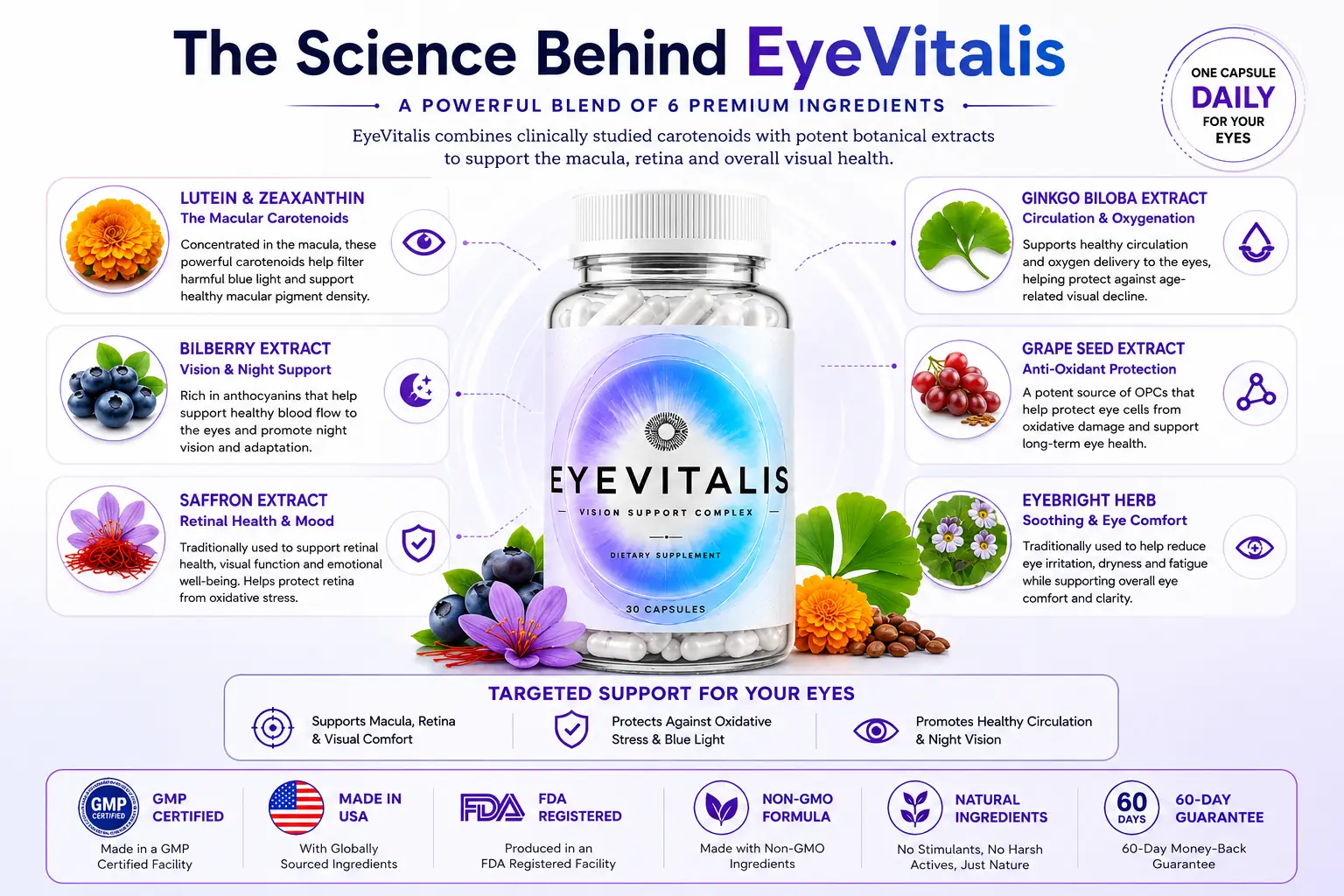
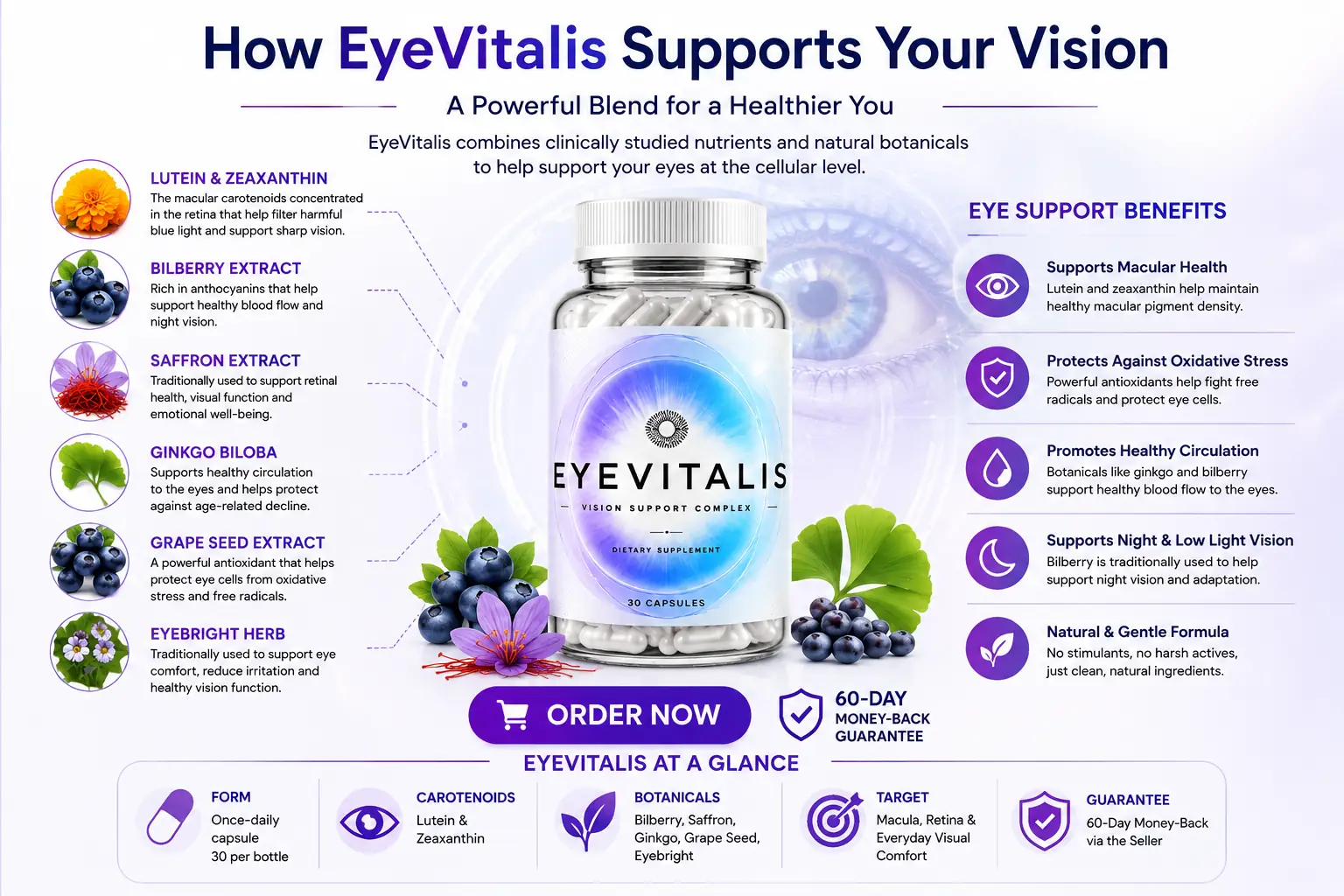
A trustworthy label clearly discloses every ingredient — not a vague "proprietary blend" with no specifics. Look for named ingredients like lutein, zeaxanthin, or bilberry extract, rather than generic terms like "eye health complex" that could mean almost anything.
Look for Disclosed Dosages
Beyond naming ingredients, the strongest labels disclose approximate amounts per capsule. If a brand won't share this, it's worth asking why — a transparent formula with disclosed dosages is generally a more trustworthy signal, especially for ingredients like ginkgo biloba where medication interactions are relevant.
Red Flags to Watch For
- Claims to "reverse macular degeneration" or "cure" any diagnosed eye condition
- Promises to "restore 20/20 vision" or "eliminate the need for glasses"
- Claims the product replaces prescription medication or corrective lenses
- Fabricated clinical trials or vague "doctor recommended" language with no source
- Fake celebrity endorsements or media logos with no real affiliation
A supplement that avoids these red flags and instead uses careful, structure/function language — "supports," "helps maintain," "designed to complement" — is generally more trustworthy than one making bold medical claims a dietary supplement legally can't make.
Manufacturing Certifications
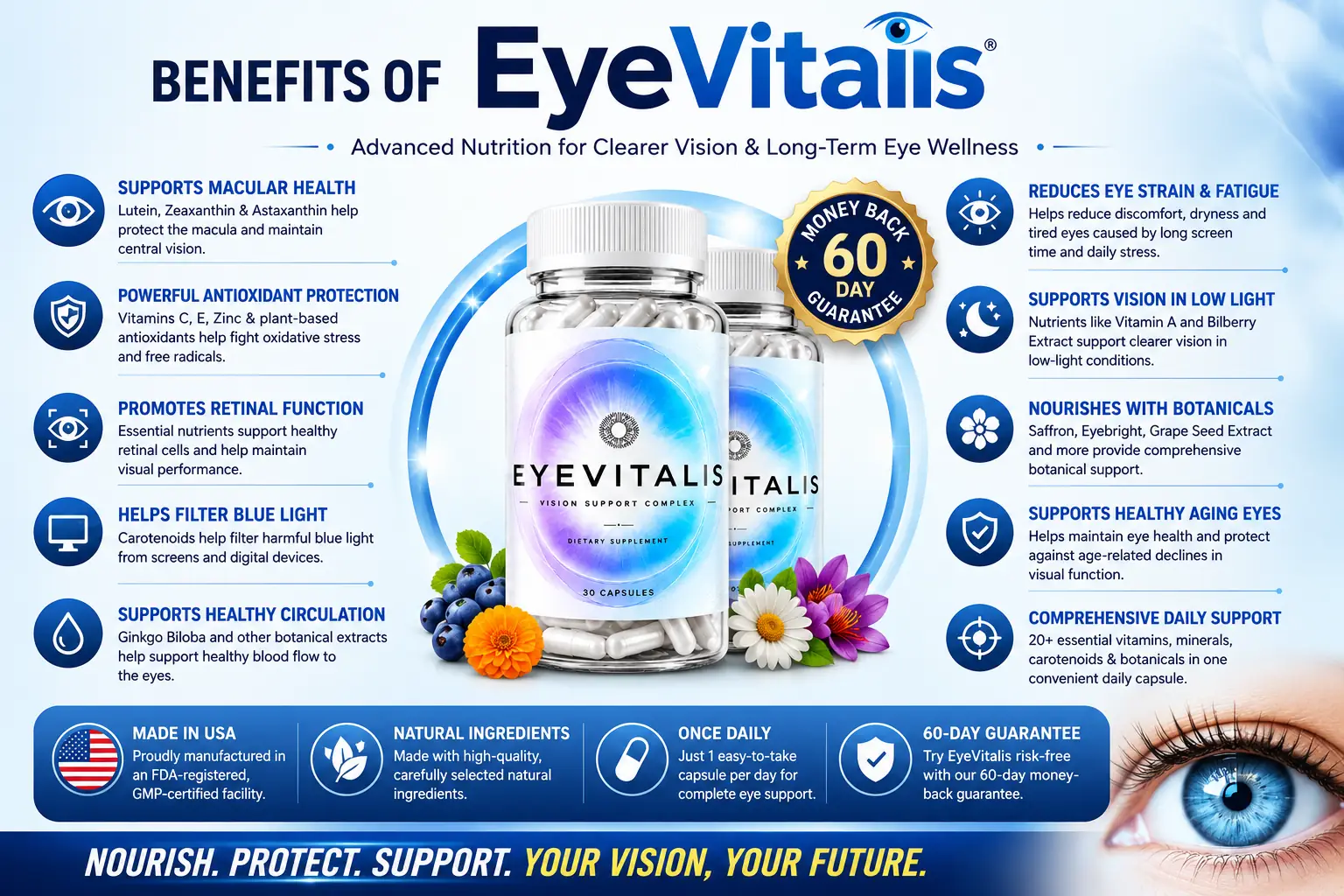
Look for specific, verifiable manufacturing claims: "Made in the USA," "GMP-certified facility," and "FDA-registered facility" are common and meaningful markers of quality manufacturing standards. Be cautious of any brand claiming "FDA approved" — dietary supplements are never FDA-approved, and a facility registration is a completely different thing from product approval. The FDA's own dietary supplements pages spell out how the category is actually regulated, and it's a useful five minutes before comparing any two labels.
Check the Guarantee Terms
A clearly stated satisfaction guarantee — with a specific number of days and a link to the actual refund policy — is a good sign that a company stands behind its product. Be wary of vague "money-back guarantee" language with no timeframe or process explained anywhere on the site.
Comparing Real Cost Per Day
Sticker price alone can mislead. Divide total price by days of supply to get a real daily cost, and compare that figure across brands rather than the price of a single bottle. A larger multi-bottle package often has a lower per-day cost, but only buy the quantity you're confident you'll actually use consistently.
Questions to Ask Your Eye Doctor
Before starting any new vision supplement, it's worth asking your eye doctor: Does this interact with anything I currently take, particularly blood thinners? Is there a reason my specific eye health history would make this a bad fit? Would you recommend any additional monitoring alongside this? A quick conversation up front is a lot easier than troubleshooting a reaction later.
Ready to Try EyeVitalis?
A once-daily, transparent 6-ingredient capsule backed by a 60-day money-back guarantee.
Get EyeVitalis Now